
Risks of Doing Business with Russian and Belarusian Companies in 2026
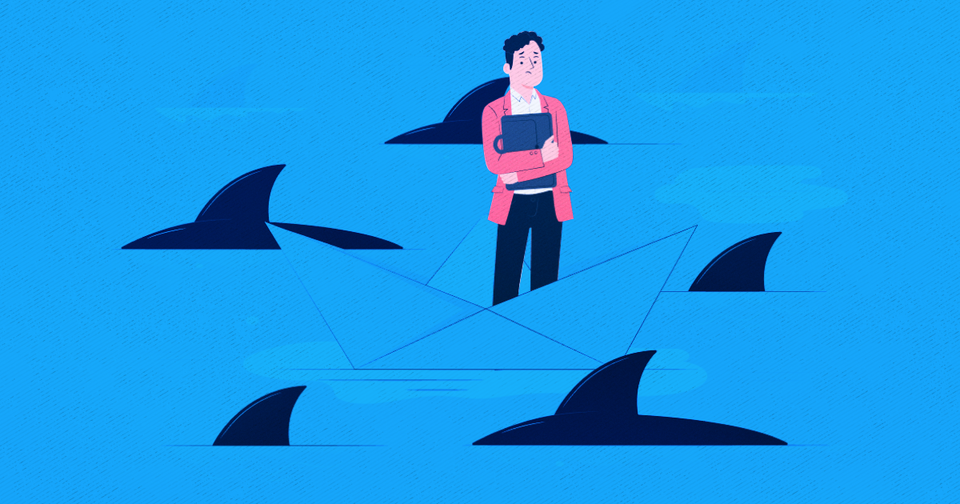
Despite years of sanctions, doing business in Russia and doing business in Belarus continues to pose significant risks in 2026. Following the latest EU Russia sanctions package adopted in April 2026, restrictions have expanded across energy, defence, finance, cryptocurrencies, and Russia's so-called shadow fleet. At the same time, sanctions targeting Belarus remain in force, with only limited adjustments in specific sectors.
For companies considering business with Russia, business with Russians, or partnerships involving companies Russia, the risks go far beyond compliance. Organisations face potential sanctions exposure, reputational damage, payment disruptions, legal liability, and increasing scrutiny from investors, regulators, and customers. As a result, many international organisations continue to ban Russian suppliers, partners, and investments from their operations and supply chains.
Current Sanctions Landscape in 2026
The latest EU Russia sanctions package strengthens restrictions on Russian financial institutions, military-industrial entities, energy projects, and sanctions circumvention schemes. Similar measures remain in place across the UK, Canada, Ukraine, and other allied countries.
The United States continues to expand sanctions targeting Russian entities while maintaining broad restrictions on Belarus. Although some measures related to fertiliser exports have been adjusted, U.S. sanctions against Belarus continue to affect numerous sectors and organisations included on various sanctions lists, including the broader Belarus sanction list ecosystem used by compliance teams worldwide.
One of the biggest challenges for businesses is the application of secondary sanctions, beneficial ownership rules, and the "50% rule." A company may not appear directly on a sanctions list but can still be restricted if sanctioned individuals or entities own or control it. Anti-circumvention measures have also increased, making indirect relationships a growing compliance concern.
Key Risks for Businesses
The most immediate risk of doing business with Russian companies or Belarusian counterparties is sanctions exposure. Frozen assets, blocked transactions, denied banking services, and disrupted supply chains can occur even when a company unknowingly engages with a restricted entity.
Reputational risks are equally important. Investors, customers, and ESG rating agencies increasingly scrutinise links to Russia and Belarus. Businesses associated with sanctioned regimes may face public criticism, boycotts, and loss of commercial opportunities.
There are also financial and legal risks. Regulatory penalties, contract disputes, and compliance failures can lead to significant costs. In some jurisdictions, companies and executives may face criminal liability for sanctions violations or sanctions evasion schemes. Beyond compliance, organisations must also consider the risk of indirectly supporting governments, entities, or individuals linked to aggression and human rights abuses.
How to Screen Counterparties with YC World
Effective due diligence requires more than a sanctions check. Organisations should assess sanctions exposure, beneficial ownership structures, politically exposed persons (PEPs), propagandists, and hidden corporate connections.
YC World helps businesses identify direct and indirect links to sanctioned entities, Russian and Belarusian networks, high-risk individuals, and complex ownership structures across more than 80 countries. By combining sanctions screening, relationship mapping, and risk intelligence, organisations can make informed decisions before entering business relationships in high-risk jurisdictions.
How YC World Maps Beneficial Ownership Across Jurisdictions in Seconds
Before you trust a company, verify who stands behind it — and whether its network extends into high-risk jurisdictions or toxic influence ecosystems.
What Are the Main Risks of Doing Business with Russian and Belarusian Companies?
Key risks include sanctions violations, blocked payments, reputational damage, ESG concerns, legal penalties, and hidden links to sanctioned individuals.
How Often Are Sanctions Against Russia and Belarus Updated?
Sanctions are updated regularly. New entities, individuals, and sectors can be added at any time, making ongoing monitoring essential.
Can a Company Face Reputational Damage Even If It Doesn't Violate Sanctions Directly?
Yes. Even lawful business with Russia or Belarus may attract criticism from customers, investors, and ESG-focused stakeholders