
Countries Without Freedom of Expression: High-Risk Nations for Business in 2026
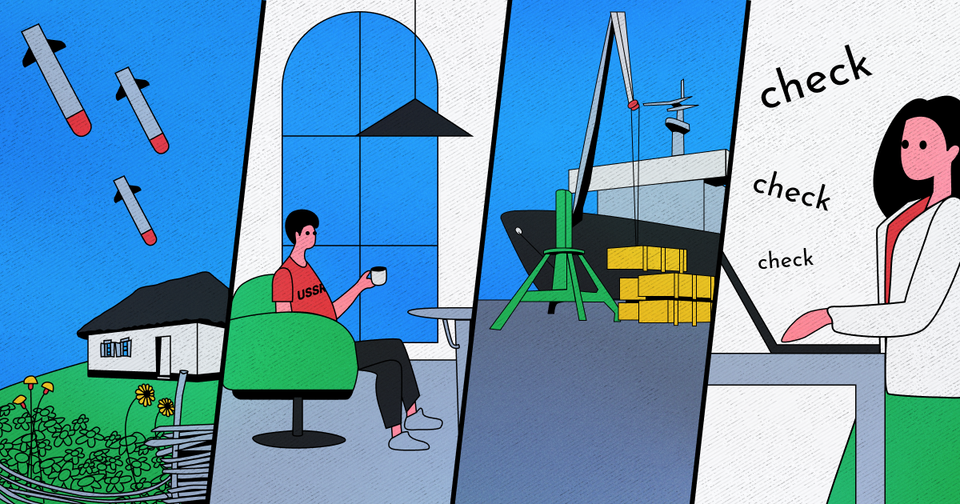
Countries without freedom of expression remain a significant concern for businesses operating globally. These are often closed countries where governments restrict public debate, limit access to independent information, and rely on censorship or propaganda to control narratives. Examples include countries with state controlled media, as well as countries without freedom of press where journalists, activists, and political opponents face restrictions or persecution.
Well-known examples include North Korea and other countries like North Korea, where strict information controls and North Korea media censorship limit access to external sources of information. Such environments often provide clear political censorship examples and raise concerns about transparency, governance, and business ethics.
For companies, operating in countries where freedom of speech is not allowed can create reputational, legal, sanctions, and ESG risks. This is why thorough due diligence is essential before entering high-risk markets or engaging with local counterparties.
On a practical level, this indicates that companies need to be even more aware of the risks of operating in countries with socially unacceptable policies, especially when those policies can lead directly to nearly the financing of terrorism.
Investors and businesses will have to reevaluate what strategies and models they should apply, considering that entering a country is now perceived as implicit acceptance of that country's political actions.
What Are Countries Without Freedom of Speech and Press?
Freedom of expression is the right to share opinions, access information, and communicate ideas without fear of censorship or punishment. Freedom of the press refers to the ability of journalists and media organisations to report independently, free from government control or political interference.
According to the latest Reporters Without Borders World Press Freedom Index, global press freedom remains at one of its lowest levels in decades. In 2025–2026, some of the worst-performing countries include Eritrea, North Korea, China, Iran, Russia, Turkmenistan, and Belarus. These countries consistently rank near the bottom due to state censorship, restrictions on independent journalism, media repression, and information control.
Such jurisdictions are often described as closed countries because governments tightly control information flows, limit access to independent media, restrict public debate, and punish dissenting voices. In many cases, state-controlled media and censorship become key tools for shaping public narratives and limiting transparency, creating additional risks for businesses, investors, and international partners.
Risks of Doing Business with Companies in Countries Without Freedom of Speech
Partnering with companies operating in countries with restricted freedom of expression can expose organisations to a wide range of risks. Reputational risks are often the most visible: businesses may face public criticism, consumer boycotts, investor pressure, or lower ESG ratings if they are perceived as supporting governments associated with censorship, human rights abuses, or state propaganda.
Legal and sanctions risks are equally significant. Companies may unknowingly engage with sanctioned entities, state-owned enterprises, politically exposed persons, or organisations linked to restricted regimes. This can result in regulatory investigations, financial penalties, and compliance violations.
Financial risks also arise when business activities indirectly contribute to governments or organisations involved in repression, corruption, or geopolitical conflicts. Investors and stakeholders increasingly scrutinise where revenue is generated and how supply chains operate.
Operational risks should not be overlooked. These may include threats to employee safety, limited legal protections, restricted access to information, cyber espionage, and intellectual property theft. In some jurisdictions, government authorities can demand access to corporate data or impose sudden regulatory restrictions.
Ensure that your business has no connection with terrorist countries, crime regime countries or countries with socially unacceptable policies.
It's up to each company and each entrepreneur to decide which side they're on and whether they're willing to sacrifice contingent revenues (which are also in question because sanctions mean fines, seizure of property, and suspension of financial transactions) for the sake of humanity and business ethics.
YC World reveals the involvement of companies and individuals from different parts of the world up to the 4th level. It also indicates connections with sanctioned individuals, military terrorists, and propagandists.
System has built-in automatic Risk factors highlighting the potential risks of each counterparty: affiliation with PEP, sanctions and ties to high-risk countries.
Example of How YC World system find company connections and risk factors
Check whether a company, organisation, or individual has hidden links to high-risk countries, sanctioned entities, propagandists, or other risk actors with YC World.
What Is the Difference Between Freedom of Speech and Freedom of the Press?
Freedom of speech protects an individual's right to express opinions and share information. Freedom of the press protects journalists and media organisations from censorship, allowing them to report independently and hold governments accountable.
What Are the Main Risks of Doing Business in Countries Without Freedom of Speech?
The main risks include reputational damage, sanctions exposure, legal and compliance issues, ESG concerns, operational challenges, and potential links to government-controlled entities or politically exposed individuals.
Does Operating in Such Countries Affect a Company's ESG Rating?
Yes. Investors and ESG rating agencies increasingly assess a company's exposure to countries associated with censorship, human rights concerns, corruption, or weak governance practices. Operations in high-risk jurisdictions may negatively affect ESG performance assessments.